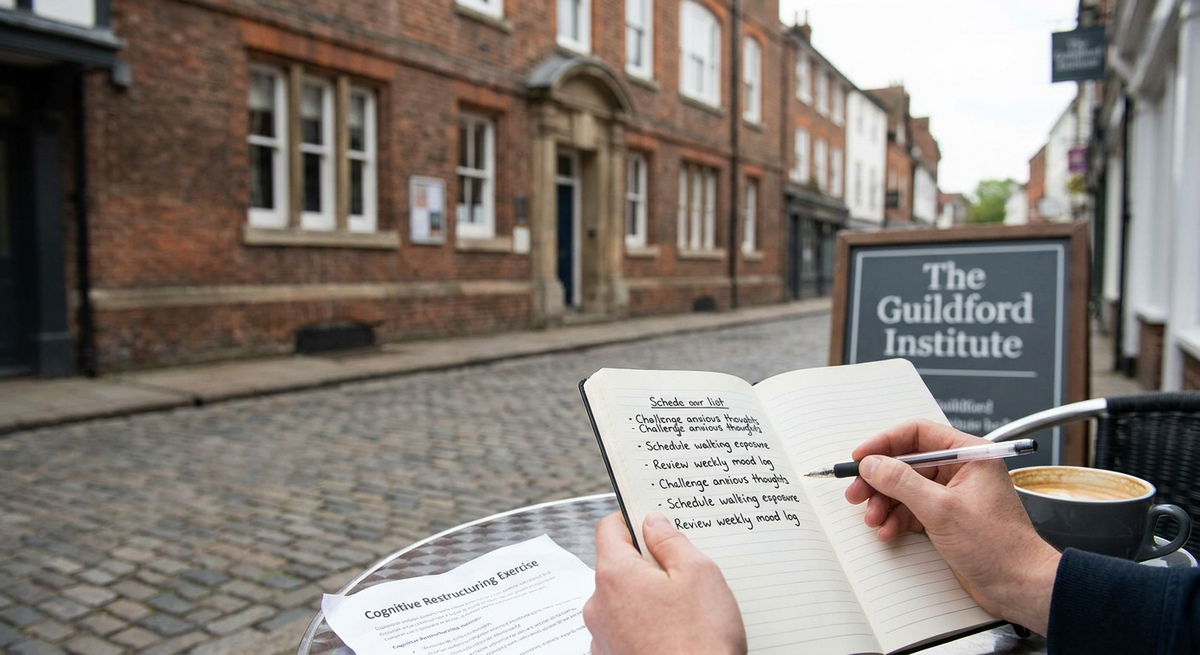
Overcoming Commuter Panic and Travel Anxiety in Surrey
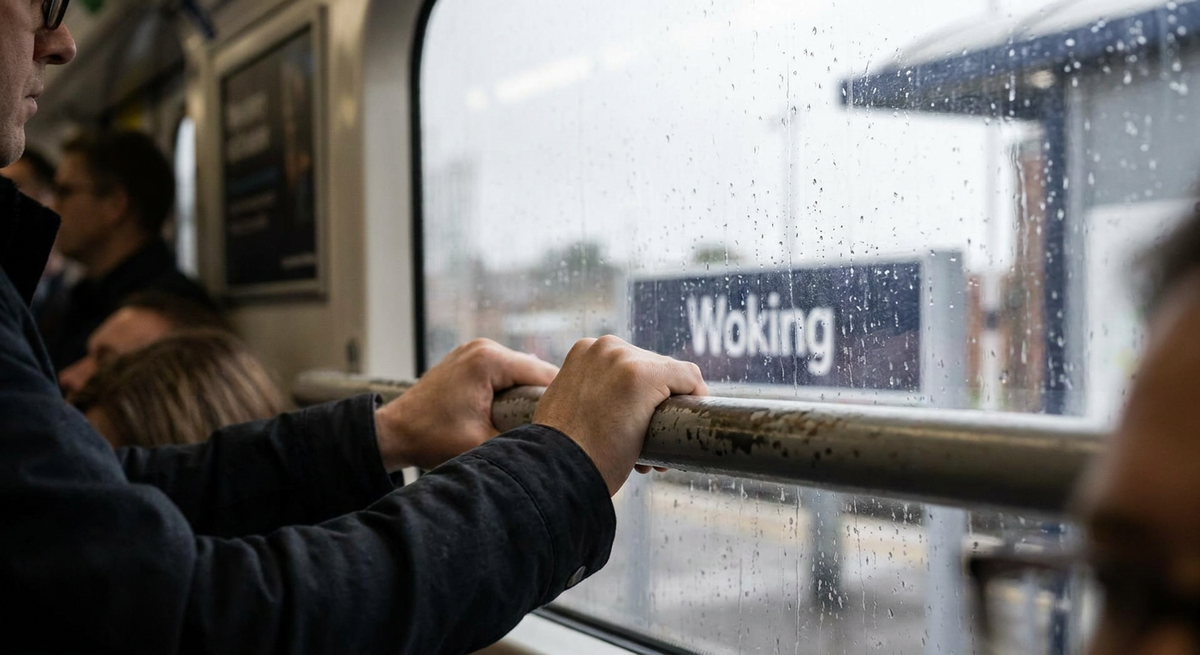
Standing on a crowded platform at Woking station or sitting in stationary traffic on the M25 can suddenly provoke intense physical dread. When an environment is noisy, confined and difficult to leave quickly, the body's threat-detection system sometimes misinterprets the situation as an immediate danger. This triggers a rush of adrenaline, leading to physical sensations of panic that make everyday travel highly distressing.
The mechanics of situational panic
Transport hubs and moving vehicles create a specific type of vulnerability. Once the train doors close or a car enters a long stretch of motorway, the immediate option to step outside and catch a breath is removed. For individuals experiencing commuter anxiety, this lack of control frequently acts as a primary trigger.
The physical response is rapid and overwhelming. A racing heart, shortness of breath, dizziness and a sudden need to escape are standard features of the human fight-or-flight mechanism. While these responses are entirely appropriate for physical emergencies, they are highly disruptive when attempting a routine morning commute.
How avoidance reinforces travel dread
Opting for an earlier, quieter train or avoiding the motorway altogether makes logical sense when trying to prevent a panic attack. Avoiding the source of distress provides immediate, powerful relief. Yet, repeatedly changing travel habits because of fear teaches the brain that the situation was genuinely dangerous and that avoidance was the only way to survive it.
This cycle often shrinks a person's world. What begins as skipping one specific crowded route can gradually expand into avoiding public transport entirely, refusing to drive on major roads, or experiencing severe anticipatory anxiety days before a scheduled trip.
Using CBT to address commuter anxiety
Cognitive Behavioural Therapy (CBT) offers practical, evidence-based methods for managing situational panic. Rather than simply discussing the distress, CBT examines the specific thoughts and behaviours keeping the anxiety cycle going. A core element involves identifying catastrophic predictions, such as the belief that a panic attack will cause a person to faint or lose control in public.
By testing these predictions against evidence, individuals learn which counselling is best for anxiety to separate the intense physical discomfort of anxiety from actual physical danger.
Tailoring graded exposure
Overcoming transport-related agoraphobia or travel dread relies heavily on graded exposure. This technique involves gradually and deliberately facing feared situations to retrain the brain's threat response. It is highly specific; a successful approach must be tailored entirely to the individual rather than following a universal template.
A therapist helps design a step-by-step hierarchy of exposure tasks. For someone avoiding Woking station, the initial step might simply be standing outside the station entrance for ten minutes during a quiet afternoon. A subsequent step might involve walking onto the platform without boarding a train.
The goal is never to force extreme distress, but rather to stay in a mildly challenging situation long enough for the anxiety to peak and then naturally subside. Over time, these tailored behavioural experiments build confidence and reduce the intensity of the panic response.
Practical grounding strategies during travel
When physical panic sensations arise mid-commute, having specific grounding techniques ready is highly beneficial. These strategies help anchor attention in the present moment rather than spiralling into catastrophic predictions.
- Sensory anchoring: Focusing deliberately on physical inputs, such as the texture of a coat, the temperature of the air, or the precise sound of the train on the tracks.
- Controlled breathing: Using techniques like box breathing, inhaling for a count of four, holding for four, exhaling for four, and holding for four. This regulates oxygen intake and directly signals the nervous system to calm down.
- Cognitive reframing: Repeating a factual, pre-prepared statement, such as acknowledging that the physical sensations are uncomfortable but not dangerous, and that they will pass.
Seeking professional support
If travel anxiety or situational panic is limiting your daily routine, structured support can help you regain confidence. At CBT & Counselling Surrey, we provide practical, solution-focused therapy aimed at understanding your specific triggers and equipping you with effective coping tools.
You can read our therapist profiles, watch introductory videos, check availability, choose your therapist and book directly online. We offer face-to-face sessions in Surrey and online video sessions across the UK. Individual CBT and counselling sessions cost £68 for a full 60-minute hour. We work session-by-session, ensuring you receive the support you need without being tied into a long-term commitment.
Sian Jones, Founder of CBT & Counselling Surrey and professional counsellor.