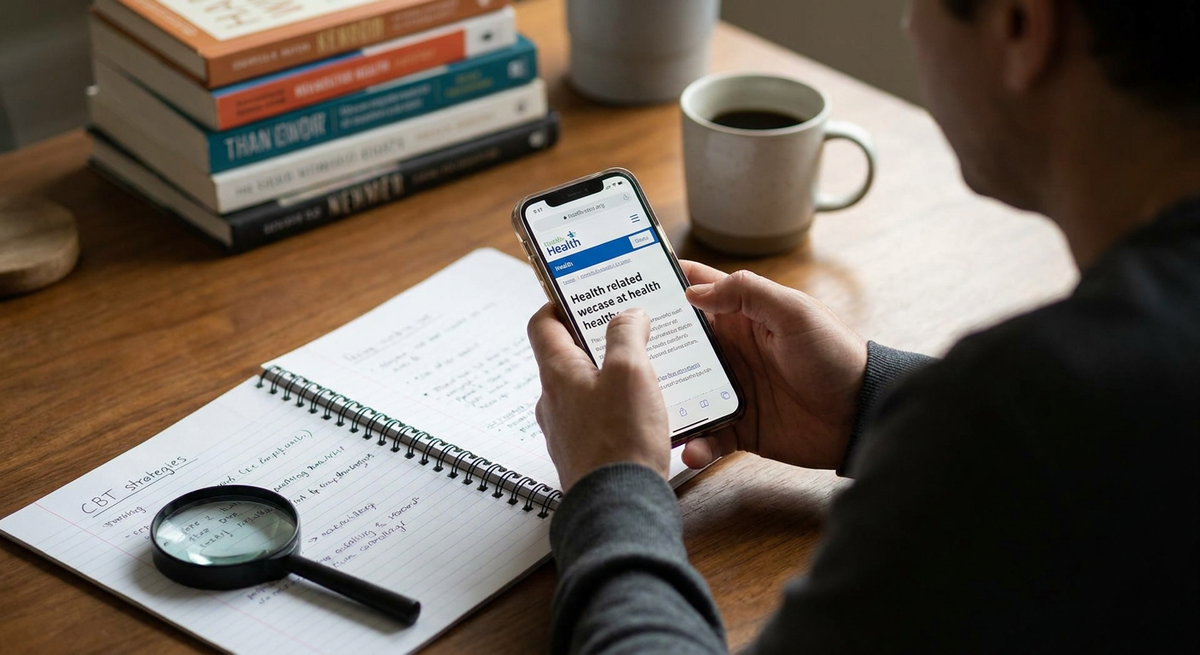
When ‘Just Be Yourself’ Feels Impossible
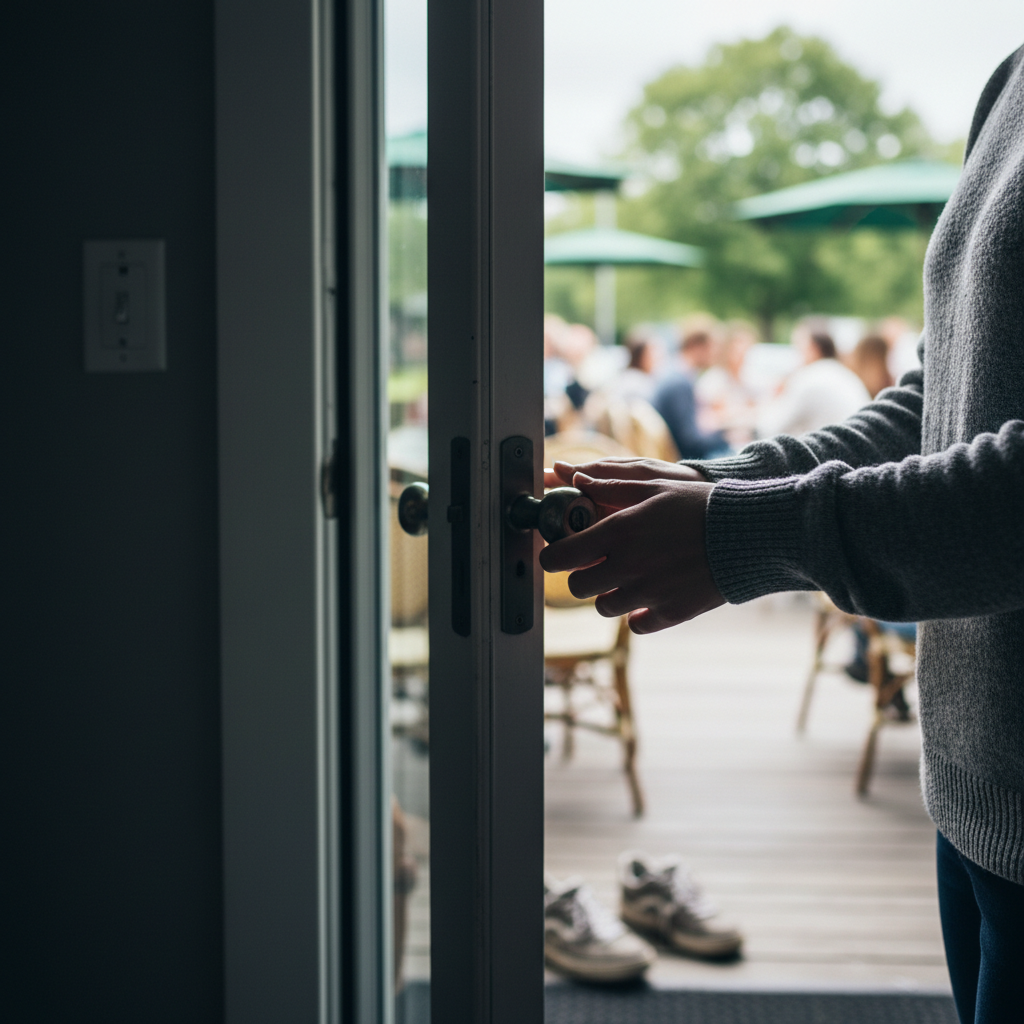
The invitation arrives. A work social, a friend’s birthday, even just a coffee. A part of you wants to go, to connect, to be part of things. But another, much louder part, immediately starts calculating the risks.
What will you wear? What will you say? What if you say the wrong thing, or worse, nothing at all? The internal monologue can be relentless, painting vivid pictures of awkward silences and subtle, negative judgments from others.
This isn't just shyness. A shy person might feel hesitant at first but eventually warms up. An introvert might prefer their own company but doesn't necessarily fear being with others. What you’re experiencing is different. It’s an intense, persistent fear of being watched and judged.
The Weight of Being Watched
Social anxiety isn’t a choice or a personality flaw. It's a genuine and often overwhelming response to social situations. From what I’ve seen in my Surrey therapy practice, it’s like living with a permanent, invisible spotlight pointed right at you, highlighting every perceived imperfection.
The physical feelings are very real too. A racing heart before you walk into a room in Woking. A knot in your stomach during a meeting. That feeling of blushing, sweating, or trembling that makes you feel even more exposed.
You become a detective of disapproval, scanning faces for any hint that you’ve made a mistake. A brief glance away, a slight frown – it all gets logged as evidence that you’re failing, that you don’t belong.
The Exhausting Cycle of Social Anxiety
Living with social anxiety involves a huge amount of hidden work. There's the 'before', the 'during', and the 'after'.
1. The Before: Anticipatory Dread
The worry starts days, or even weeks, in advance. You play out worst-case scenarios, mentally rehearsing conversations that will probably never happen. This constant state of alert is utterly draining. We've talked before about how this can lead to a state where, as our article puts it, 'Why Everything Feels Too Much Right Now'.
2. The During: Performance and Safety
When you’re in the situation, you’re not really present. You’re performing. You might have a list of 'safe' topics, ask a lot of questions to deflect attention, or stick close to the one person you know. These are called safety behaviours – small things you do to try and prevent the feared outcome. But they stop you from ever discovering that the outcome might not be so bad after all.
3. The After: The Post-Mortem
This is often the most grueling part. You get home and your mind replays every tiny moment. That joke that fell flat. The way you stumbled over a word. You analyse it from every angle, always concluding that you made a fool of yourself. This obsessive review can keep you awake at night and confirms your belief that you’re socially inept. It's a key reason why, as we explored in a previous post, you can feel so drained even after resting.
It’s All About the Fear of Judgment
At its heart, social anxiety is a profound fear of negative evaluation. It’s the belief that if people see the ‘real’ you, they will reject you. This often connects to deeper feelings of low self-esteem. You believe you are fundamentally flawed, so it’s only a matter of time before everyone else in your life, whether in Cobham or Epsom, figures it out too.
This links directly to something we've discussed before: 'The Quiet Fear of Getting It Wrong'. When that fear is applied to social interactions, it becomes paralysing. To protect yourself from this anticipated judgment, you might start to pull back.
When Your World Starts to Shrink
The most common response to this intense fear is avoidance. You start turning down invitations. You let calls go to voicemail. You choose the self-checkout to avoid small talk.
Each act of avoidance brings a wave of relief. You dodged the bullet. But the relief is temporary. Every time you avoid something, the fear gets a little stronger and your world gets a little smaller. This is a topic we've covered in more detail in our article, Why Avoidance Feels Safe But Keeps You Stuck'.
Over time, this can lead to significant loneliness and a sense that you're missing out on life. It can affect friendships, career progression, and your overall sense of wellbeing.
How Can Counselling for Anxiety Help?
Telling someone with social anxiety to “just be more confident” is like telling someone with a broken leg to “just walk it off”. It simply doesn’t work. What does work is understanding the pattern and learning practical ways to change it.
Anxiety therapy in Surrey can provide a calm, non-judgmental environment to untangle these thoughts and fears. Using approaches like Cognitive Behavioural Therapy (CBT), we can work together to:
- Understand the triggers: We’ll gently explore what specific situations cause you anxiety and what you’re really afraid of in those moments.
- Challenge your thinking: We can look at those automatic negative thoughts. Are they 100% true? Are there other ways of looking at the situation? We're not trying to force 'positive thinking', but to find a more balanced and realistic perspective.
- Reduce safety behaviours: We can identify the subtle things you do to 'get through' social events and see how they might be keeping the anxiety going.
- Take manageable steps: A huge part of the work is gradually and safely facing the things you fear. It's not about jumping in at the deep end. It’s about taking 'Small Steps That Help Reduce Anxiety and Avoidance', building your confidence one interaction at a time.
It's about finding a way to lower the volume on that internal critic so you can start to hear the actual conversation happening in the room.
Finding Support in Surrey
If this article resonates with you, please know that things can feel different. You don’t have to continue carrying this weight alone. We offer structured, compassionate support to help people manage these exact challenges.
We provide sessions both online and face-to-face across Surrey. Our fee is £68 for a full hour session, and we work on a session-by-session basis, so there's no long-term commitment. You are always in control.
If you'd like to explore how counselling could help you feel more at ease and less afraid, please get in touch. We’re here to help.
Written by Sian Jones, Founder of CBT & Counselling Surrey. Sian has extensive experience helping individuals manage anxiety, stress, low mood and other emotional challenges.